Why Commercial Small Animal Control Requires Professional Expertise
People searching for commercial small animal control often need expert help to safely and effectively remove pests, with local service providers equipped to handle the job professionally.
Understanding why commercial small animal control requires professional expertise is essential for property owners facing these challenges. Small animals such as rodents, raccoons, or squirrels can cause significant damage to buildings, electrical systems, and stored goods, leading to costly repairs and disruptions. Addressing these issues effectively often involves more than just basic removal techniques; it requires specialized knowledge of animal behaviors, entry points, and safe exclusion methods. Local service providers who focus on commercial small animal control are equipped with the experience needed to handle these situations efficiently, helping property owners protect their investments and maintain a safe, secure environment.
For property owners in the area considering small animal control solutions, understanding the importance of professional intervention can make a meaningful difference. Attempting to manage these issues without proper expertise may result in incomplete removal, recurring problems, or unintended harm to the animals or property. Local contractors specializing in commercial small animal control bring practical skills and knowledge to ensure the job is done thoroughly and responsibly. Keep reading to learn more about why trusting experienced professionals is a smart choice for managing small animal issues on commercial properties.
- Commercial animal exclusion - when businesses need to prevent small animals from entering buildings, local contractors use specialized techniques to ensure effective barriers.
- Wildlife damage repair - if small animals have caused structural or property damage, local pros assess the situation and implement targeted repairs to restore safety and integrity.
- Infestation management - in cases of ongoing small animal presence, service providers develop integrated strategies to safely remove pests and prevent future issues.
- Sanitation and cleanup - after animal intrusion, local contractors handle debris removal and sanitation to restore a hygienic environment for commercial spaces.
- Preventative small animal control - businesses seeking ongoing protection rely on local pros to install and maintain effective exclusion systems to minimize future risks.
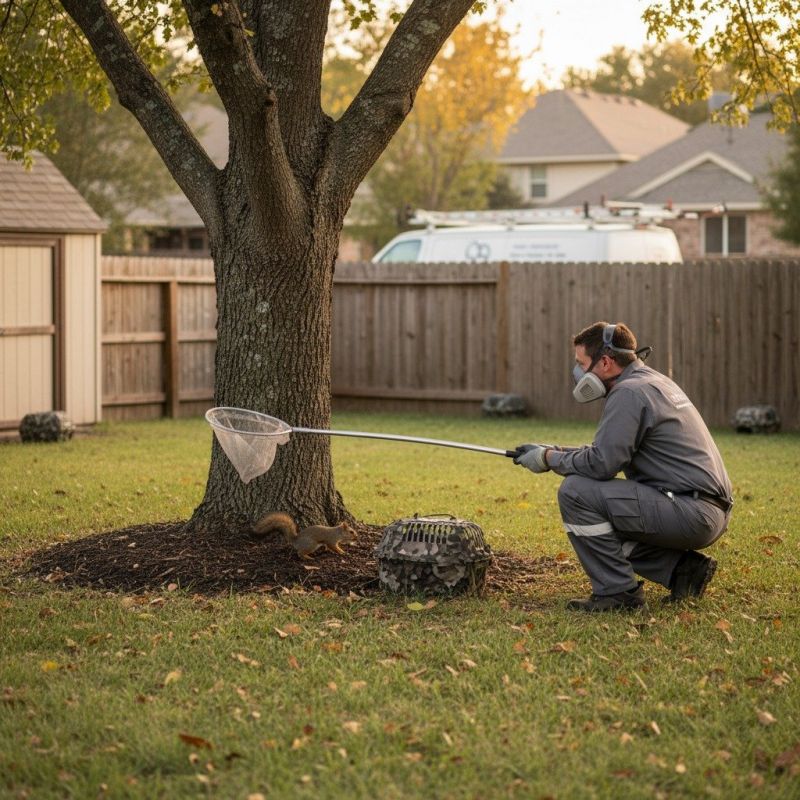
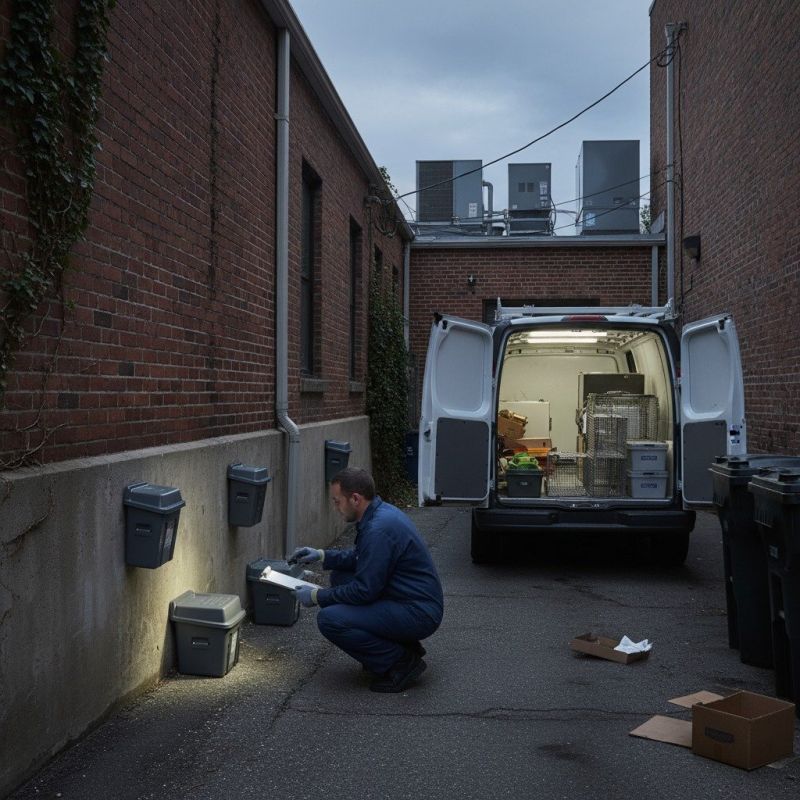
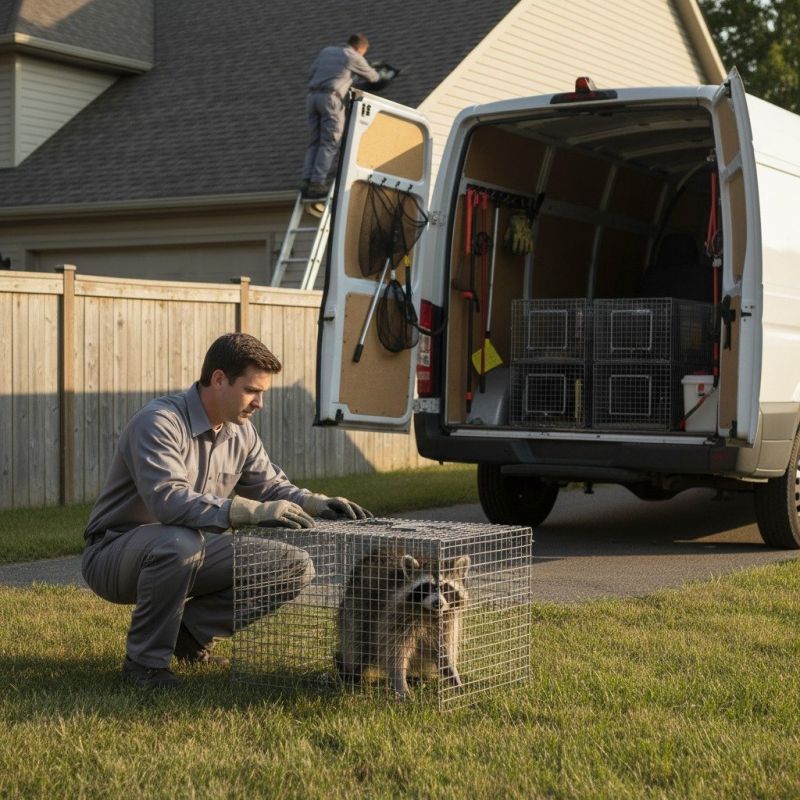
Understanding why commercial small animal control requires professional expertise often begins with recognizing the types of issues property owners face. Businesses and property managers may encounter unwanted animals such as rodents, raccoons, squirrels, or bats invading their buildings or grounds. These animals can cause significant damage to structures, electrical wiring, or stored goods, and may also pose health risks through the transmission of diseases. Addressing these problems effectively involves more than just setting traps or using repellents; it requires a strategic approach that considers the behavior of different animals, the specific layout of the property, and the best methods for humane removal and prevention.
The scope of commercial small animal control is closely tied to planning and problem-solving efforts for properties that include warehouses, retail centers, office complexes, or industrial sites. These properties often have large, complex structures with many entry points that animals can exploit. Property owners may also be dealing with ongoing infestations or recurring issues that threaten the safety and functionality of their spaces. Local service providers who specialize in small animal control bring the experience necessary to assess these environments, identify vulnerabilities, and develop integrated solutions that address both the immediate problem and long-term prevention.
Problems related to small animal intrusion can be diverse, ranging from structural damage to contamination of food supplies or stored goods. For property owners, the goal is not just removal but also ensuring that animals do not return. This often involves sealing entry points, installing deterrents, and implementing ongoing monitoring strategies. Commercial small animal control experts understand how to tailor these plans to different property types, whether it’s a single-story retail store or a multi-level industrial facility. Their expertise ensures that solutions are effective, humane, and compliant with local regulations, helping property owners protect their investments and maintain a safe environment.
Properties that typically come up in discussions about commercial small animal control include warehouses, distribution centers, restaurants, and office parks. These spaces often have features like loading docks, ventilation systems, and storage areas that can inadvertently provide entry points or nesting sites for animals. Local contractors who specialize in small animal control are equipped to handle the unique challenges these properties present. They can conduct thorough inspections, recommend appropriate exclusion methods, and carry out targeted removal efforts. Engaging experienced professionals ensures that the property’s specific needs are met efficiently, reducing the risk of recurring issues and safeguarding the property’s integrity.
Wildlife exclusion projects - local contractors specialize in preventing animals from entering commercial buildings, requiring similar planning and sealing techniques used in small animal control.
Pest proofing and sealing services - these projects involve identifying entry points and implementing barriers, which are essential skills in effective small animal control efforts.
Building inspection and damage assessment - professionals assess structural vulnerabilities caused by animals, paralleling the evaluation process in small animal control projects.
Habitat modification services - modifying landscapes and surroundings to deter animals shares techniques with managing environments to prevent small animal infestations.
Rodent and pest removal services - these projects require similar trapping, removal, and sanitation strategies as small animal control for commercial spaces.
Structural repair and restoration - repairing damages caused by animals involves skills in damage mitigation and prevention, relevant to small animal exclusion efforts.
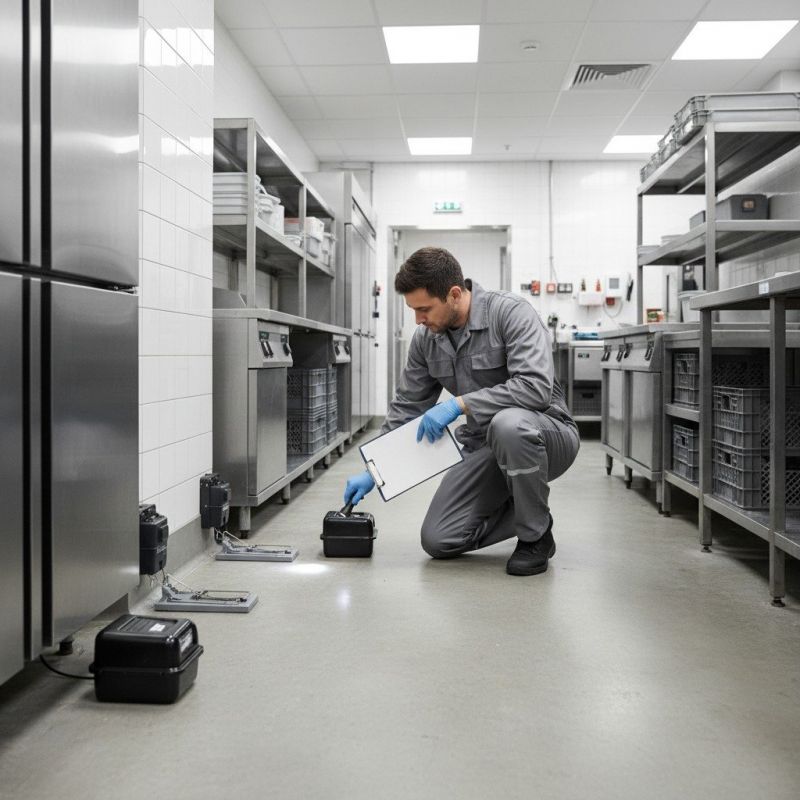
When comparing service providers for commercial small animal control, it is essential to evaluate their experience with similar projects. Local contractors who have a proven track record in handling commercial settings will better understand the unique challenges that such environments present. Consider asking about their past work with businesses or facilities comparable in size and scope to ensure they have the practical knowledge needed to manage these specialized situations effectively. An experienced professional is more likely to be familiar with the appropriate methods and safety considerations, which can contribute to a smoother and more successful animal control process.
Clear, written expectations are a vital aspect of choosing a reliable service provider. A reputable local contractor should be able to provide detailed information about the scope of work, the methods they plan to use, and any necessary follow-up procedures. Having this information in writing helps prevent misunderstandings and ensures that both parties are aligned on what the project entails. It also allows for better comparison between different providers, making it easier to identify which ones are transparent and thorough in their communication.
Reputable references and good communication are also key factors when evaluating local service providers for commercial small animal control. Asking for references from previous clients with similar needs can offer insights into the contractor’s professionalism, reliability, and quality of work. Additionally, a contractor who maintains open and clear communication throughout the process can help address concerns promptly and keep the project on track. These qualities contribute to a more predictable and satisfactory experience, ensuring that the animal control work is handled efficiently and effectively by qualified professionals.
Property owners often search for why commercial small animal control requires professional expertise when they are planning practical projects around their homes and businesses. Local pros provide Commercial Small Animal Control services for everyday jobs and straightforward project options.
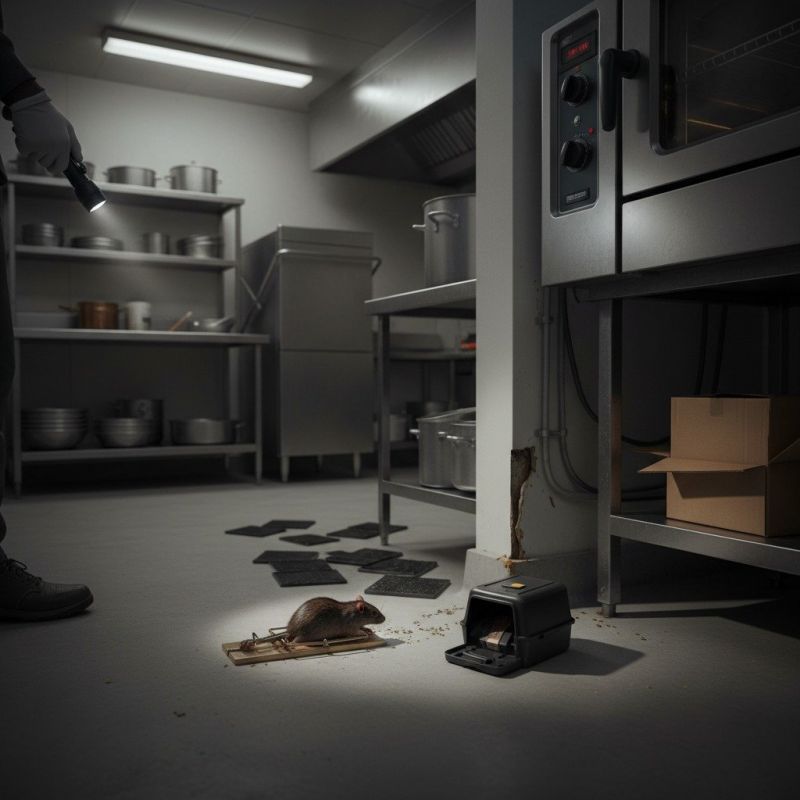
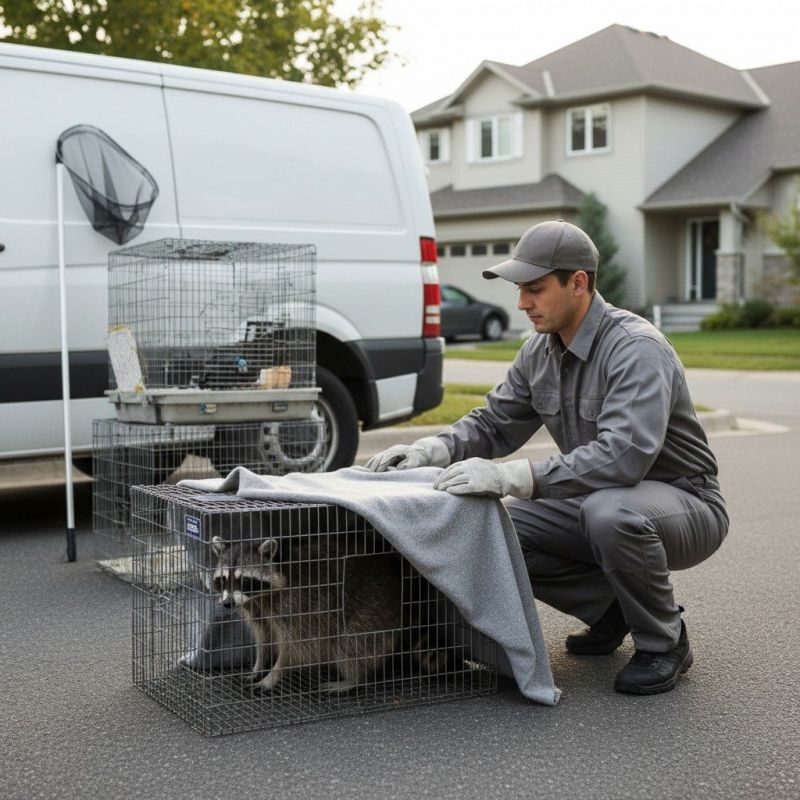
Commercial small animal control projects often involve dealing with a variety of pests such as rodents, raccoons, or other wildlife that can cause property damage or health concerns. Property owners may find themselves facing unexpected issues like animal burrows near foundations, chewed wiring, or nests in attics, which require specialized methods to resolve effectively. Relying on local contractors with experience in small animal control ensures that these problems are handled safely and thoroughly, preventing further damage or recurring infestations.
Why commercial small animal control requires professional expertise is also linked to the complexity of managing different types of wildlife and understanding their behaviors. Property owners might attempt DIY solutions, but without the proper knowledge, they risk ineffective results or inadvertently creating safety hazards. Local service providers are equipped to assess the situation accurately, implement appropriate removal strategies, and ensure that the property remains secure against future animal incursions. Connecting with experienced professionals helps address these challenges efficiently and responsibly.
Why does commercial small animal control require professional expertise? Professionals have the knowledge to identify different types of animals and understand their behaviors, ensuring effective removal and prevention strategies.
What risks are involved in attempting commercial small animal control without expertise? Without proper training, there is a higher risk of injury, ineffective removal, and potential damage to property or other animals.
How do local contractors ensure the safety of commercial properties during animal control? They use appropriate tools and techniques to safely handle animals and minimize disruptions to business operations.
Why is it important for commercial small animal control to comply with local regulations? Experienced service providers are familiar with local laws, helping to ensure that the removal process is lawful and properly documented.
What advantages do experienced service providers offer for commercial small animal control? They bring specialized knowledge and equipment that improve the effectiveness and reliability of animal removal and prevention efforts.
Understanding animal behavior - local contractors can assess how different small animals behave to develop effective control strategies tailored to the specific pests on a property.
Proper trapping and removal techniques - experienced service providers apply specialized methods to safely and efficiently remove animals without causing damage or risk.
Habitat exclusion methods - professionals can identify entry points and implement barriers to prevent future animal intrusions, saving property owners time and effort.
Compliance with regulations - experts ensure that control measures follow local laws and guidelines, avoiding potential legal issues for property owners.
If you are thinking about why commercial small animal control requires professional expertise for a property, this guide is meant to help you understand this topic, the typical project types, and how different options might fit your plans.
When you are ready, you can use the quote form on this page to share a few details about your project. From there, local pros can review the basics and follow up with options that match what you have in mind.